 Skip to content
Understanding NICC
A Safer Way to Check Your Baby’s Chromosomes
Do You Know
What Is NICC?
NICC stands for Non-Invasive Chromosome Check — a safe, accurate prenatal screening test that analyzes the baby’s DNA through a simple blood draw from the mother. It checks for chromosomal abnormalities and microdeletions that may affect the baby’s development.
It’s non-invasive, no risk to the baby, and gives parents peace of mind early in pregnancy.


What Are Chromosomes?
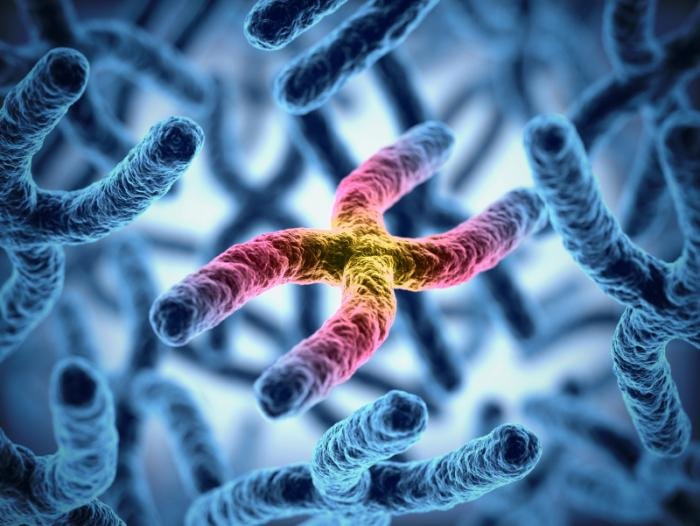
Chromosomes are structures that carry our genetic information. Every baby typically has 46 chromosomes – 23 from each parent. These chromosomes determine everything from physical features to how the body grows and functions.
Sometimes, there can be extra, missing, or rearranged chromosomes — this is called a chromosomal abnormality. Some common ones include:
1. Down Syndrome (Trisomy 21)
2. Edwards Syndrome (Trisomy 18)
3. Patau Syndrome (Trisomy 13)
What Are Chromosomes?
Chromosomes are structures that carry our genetic information. Every baby typically has 46 chromosomes – 23 from each parent. These chromosomes determine everything from physical features to how the body grows and functions.
Sometimes, there can be extra, missing, or rearranged chromosomes — this is called a chromosomal abnormality. Some common ones include:
1. Down Syndrome (Trisomy 21)
2. Edwards Syndrome (Trisomy 18)
3. Patau Syndrome (Trisomy 13)
What Are Microdeletions?
Microdeletions are small missing pieces of a chromosome. Even though they’re tiny, they can still affect a baby’s development. These conditions are not detected by traditional ultrasound or standard blood tests.
NICC can screen for microdeletion syndromes like:
-
DiGeorge Syndrome (22q11.2 deletion)
-
Cri-du-chat Syndrome
-
1p36 Deletion Syndrome

What Are Microdeletions?
Microdeletions are small missing pieces of a chromosome. Even though they’re tiny, they can still affect a baby’s development. These conditions are not detected by traditional ultrasound or standard blood tests.
NICC can screen for microdeletion syndromes like:
DiGeorge Syndrome (22q11.2 deletion)
Cri-du-chat Syndrome
1p36 Deletion Syndrome
Know more, worry less
How NICC Helps Pregnant Mothers
NICC empowers mothers with important health information early in pregnancy — as early as 10 weeks. Here’s how it helps:
Informed and Assured
It helps you understand your baby’s genetic health without the risks of invasive tests.
Accurate and Reliable
NICC offers over 99% detection rate for common chromosomal abnormalities.
Gender Prediction
NICC can also reveal your baby’s gender at an early stage of pregnancy, if you choose to know.
Detect Early, Plan Ahead
If something is detected, it allows for early medical guidance, support, and planning.
What’s the Process Like?
-
Blood Sample Collection (from the mother)
-
Laboratory Analysis of fetal DNA in mother’s blood
-
Results in 7–10 working days
-
Counselling Available for any findings
Take Charge of Your Health Today
Whether it’s a routine check-up or a specific concern, Nova Clinic is ready to help. Contact us today or book your visit online.
Take Charge of Your Health Today
Whether it’s a routine check-up or a specific concern, Nova Clinic is ready to help. Contact us today or book your visit online.
